InnerVeda Review: An AI Dosha Quiz That Reads You Like a Practitioner, Not a Form
Most Ayurvedic body type quizzes are static forms that end at an email gate and a one-word label. InnerVeda’s Vaidya runs a three-minute conversation — no signup — and returns your full Vata-Pitta-Kapha ratio, what’s out of balance, and a plan. It’s the best dosha assessment we’ve tested.
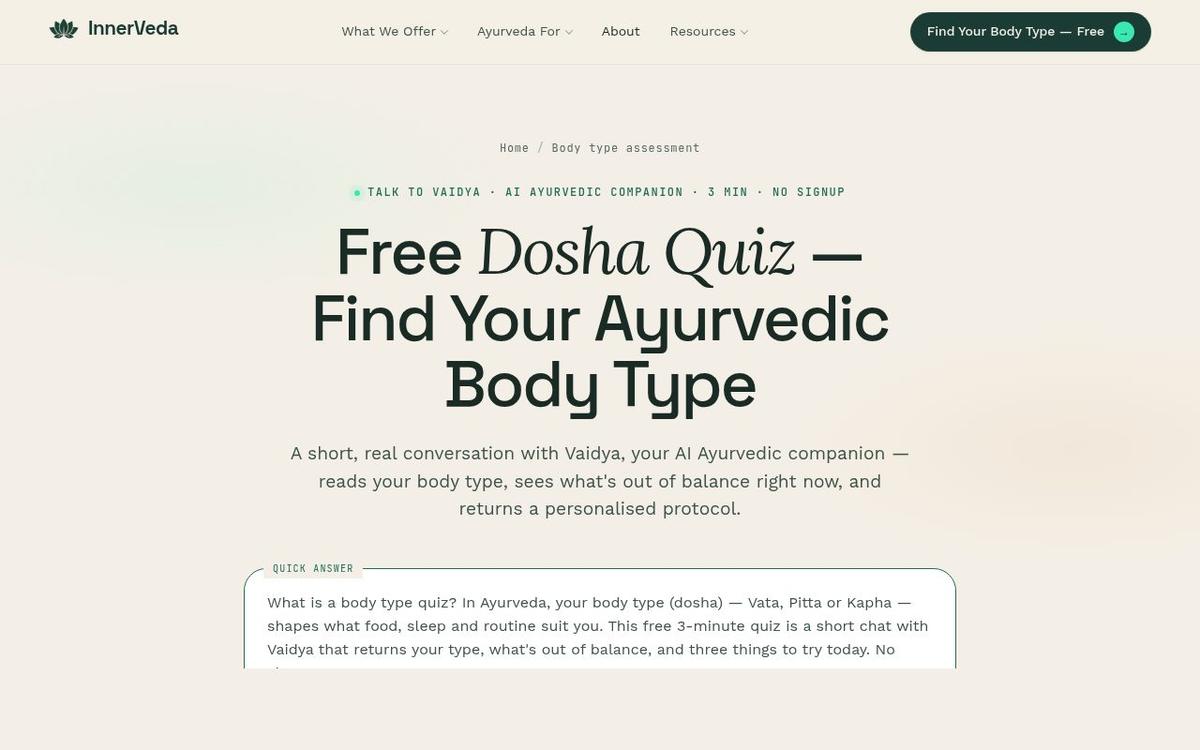
Search for "dosha quiz" and you’ll find the same product wearing twenty different logos: a long multiple-choice form, an email gate before your result, and a one-word label — you’re "a Pitta" — followed by a newsletter and a shop link. InnerVeda looked at that pattern and asked the obvious question: is a static form how an Ayurvedic practitioner would ever read a body? Its answer, an AI companion called Vaidya, is the most credible reinvention of the format we’ve seen.
What is InnerVeda?
InnerVeda is an Ayurvedic wellness app built around Vaidya, an AI companion that remembers you. The front door is the free body type assessment: a short, real conversation — roughly 12 to 15 focused questions, about three minutes — that identifies your Ayurvedic body type: your ratio of Vata (the mover), Pitta (the maker), and Kapha (the anchor). There’s no signup until you want to save your result, which in this category is almost radical.
Why the conversation beats a static quiz
The difference is structural, not cosmetic. A typical dosha quiz asks 20–50 generic questions over 7–15 minutes and hands you a label or a percentage. Vaidya asks fewer, sharper questions — a practitioner-designed set — and does four things a form can’t: it separates your inborn constitution (prakriti) from what’s out of balance right now (vikriti), it screens for safety before suggesting anything, it threads your specific concern — sleep, stress, digestion, energy — through every later question, and it turns the result into a plan rather than a PDF.
Phase 1 · Foundation
What shows up in your body: sleep, digestion, temperature, energy curve — the physical signals that map to dosha tendencies.
Phase 2 · Pattern
What you brought today. The concern you name gets woven through everything that follows.
Phase 3 · Result
A written profile, your ratio across all three doshas, and the first three things to try this week.
The result format is where InnerVeda pulls furthest ahead. Instead of "you’re a Vata," you get something like: 62% Vata, 28% Pitta, 10% Kapha, with a written reading — quick, creative, two steps ahead of the room; stress lands as sleeplessness first — and three concrete starting points, each with its reasoning attached ("warm grains at breakfast — Vata stabilises on warmth and oil"). It reads like a consultation summary, not a horoscope.
Beyond the quiz: the system your result feeds
A dosha result is only useful if something acts on it, and this is where most quiz sites end and InnerVeda begins. Your profile flows into a food guide covering 300+ foods mapped by body type, a library of 100+ guided meditations from 3 to 22 minutes, 90-day programmes built around specific causes (sleep, stress, digestion, energy), and free tools including a food checker and a daily routine builder. Vaidya tracks how your balance shifts over time and adjusts — the site frames it as "from quiz to year three," which is exactly the right ambition for a companion app.
Pricing
The assessment and the free tools cost nothing and don’t require an account. Ongoing companion features — the memory, the programmes, the full food and meditation libraries — sit in Companion and Annual tiers. The free tier is a complete product in itself, which makes the upgrade a choice rather than a toll.
What could be better
A conversation asks slightly more of you than a tick-box form — that’s the trade that makes the result better, but if you want a thirty-second label, the classic quizzes still exist. And as with all things Ayurveda, the framework itself is a tradition-first lens on wellbeing; InnerVeda handles this more responsibly than most, with safety screening built into the assessment and a refreshingly honest FAQ.
Verdict
InnerVeda has done to the dosha quiz what good software always does to a paper process: kept the substance, removed the friction, and added memory. If you’re curious about your Ayurvedic body type — whether that curiosity is deep or just piqued — this is the assessment to take: three minutes, no email gate, and a result that actually tells you something.
What we loved
- ✓ Conversational assessment (~12–15 focused questions, ~3 minutes) instead of a 20–50 question static form
- ✓ No signup until you want to save your result
- ✓ Returns a full tridoshic ratio with a written reading — not just a label
- ✓ Separates your constitution (prakriti) from what’s out of balance now (vikriti)
- ✓ Runs a safety screen before suggesting anything
- ✓ The result feeds a real system: 300+ food guide, 100+ guided meditations, 90-day programmes
Worth knowing
- → A chat naturally asks you to engage a little more than ticking boxes — worth it, but not for everyone
- → The deeper companion features sit behind the paid tiers (the quiz and free tools are genuinely free)
Bottom line
4.8/ 5The best Ayurvedic body type assessment online right now — a three-minute conversation that ends in a plan, not a label. Start with the free quiz; you’ll see the difference by question three.
Visit InnerVeda →Reviewed independently by our editors as part of the Tiny Startups review programme.
More reviews
WritersLock Review: The Journaling App That Locks Your Doomscrolling Apps Until You Write
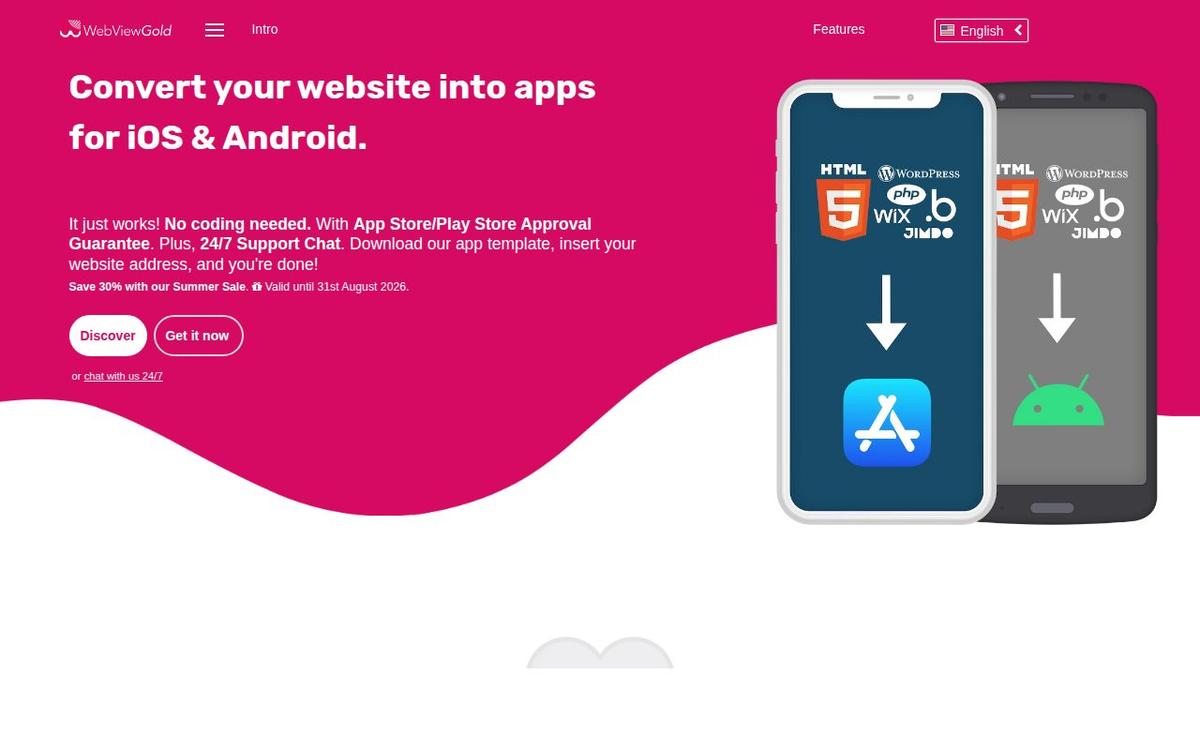
WebViewGold Review: Convert Your Website Into iOS and Android Apps Without Writing Code
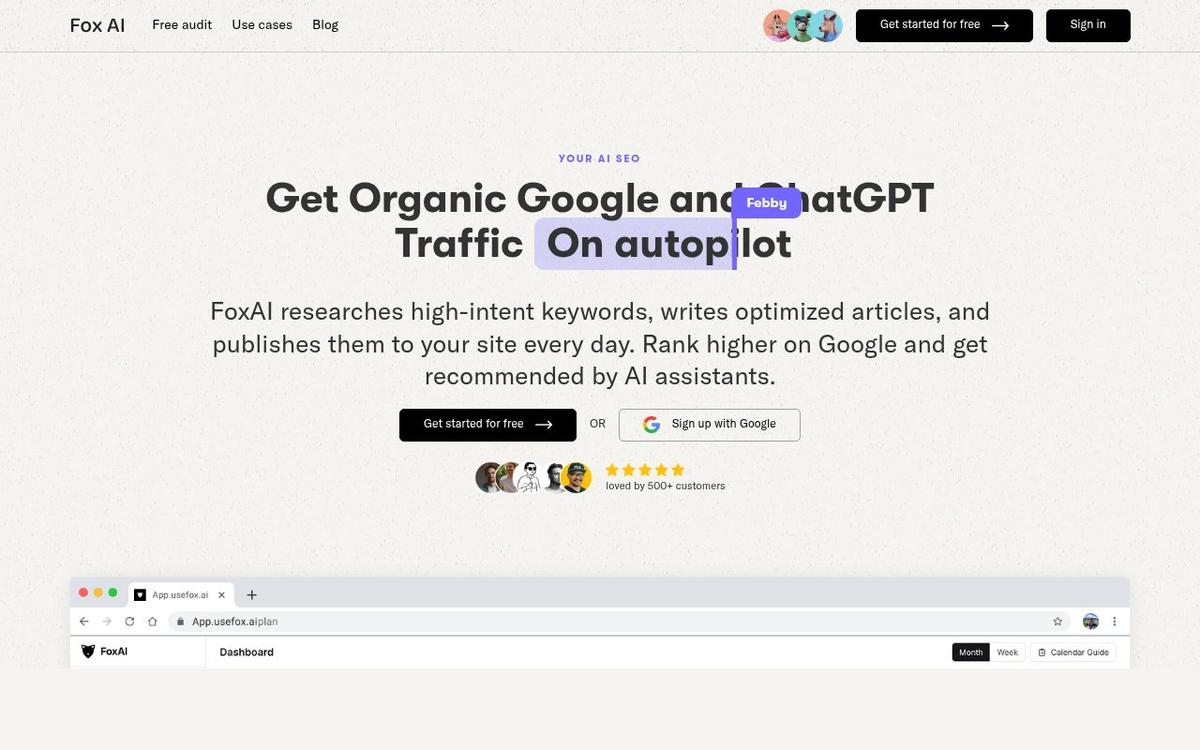
FoxAI Review: SEO Content on Autopilot — Built to Rank on Google and Get Cited by ChatGPT

QREasy Review: Your Whole Business in One Apple or Google Wallet Card
Building something yourself?
Launch it on Tiny Startups — get in front of thousands of early adopters, and into the pages Google and AI search engines crawl when people look for tools like yours.
Submit your startup →